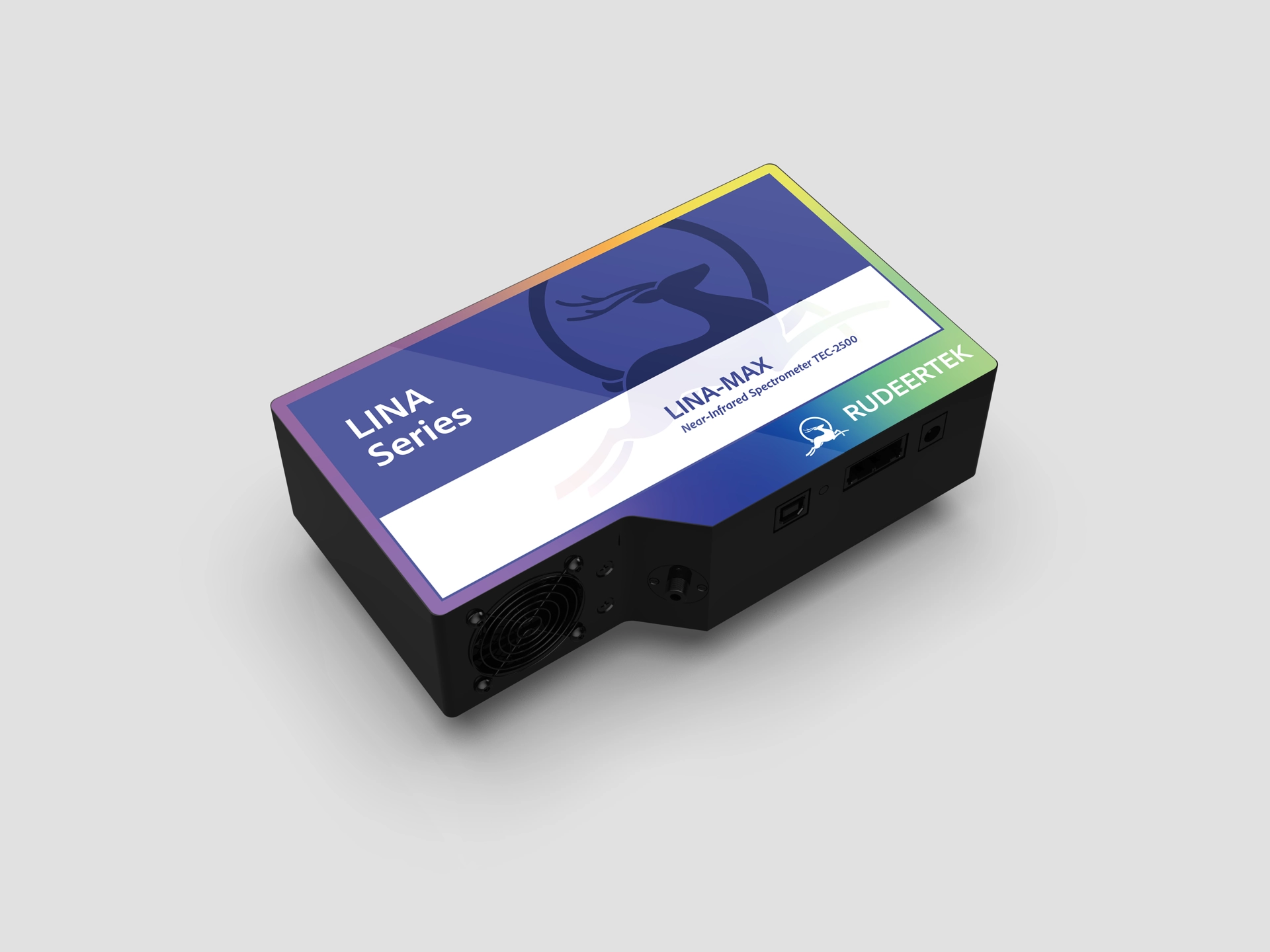
Key Considerations for Choosing a High-Sensitivity Spectrometer
Release time: 2025-12-10
When selecting a high-sensitivity spectrometer for your research, several factors play a crucial role in ensuring accurate measurements. Whether you’re working in pharmaceuticals, materials science, or environmental monitoring, finding the best spectrometer can elevate the quality of your results. In this guide, we’ll explore the critical considerations for picking the right spectrometry instrument.
Importance of Detection Limits in Spectrometer Selection
Detection limits are essential when choosing a spectrometer. They refer to the lowest concentration of a substance that can be reliably measured. A low detection limit ensures accurate measurements, especially when working with trace or ultra-trace elements. Environmental monitoring, pharmaceutical testing, and food safety applications demand high-sensitivity spectrometers to detect contaminants at minimal concentrations (ppb or ppt levels).
Spectral Range: Tailor Your Spectrometer to Your Application
The spectral range defines the wavelengths a spectrometer can detect. Understanding the spectral needs of your application is crucial. Some common spectral ranges include:
- Ultraviolet (UV): Ideal for organic compounds and pharmaceutical analysis.
- Visible (VIS): Used in general chemistry and biochemistry.
- Near-Infrared (NIR): Crucial for food analysis, agriculture, and material science.
Spectral Resolution: Importance for Detailed Measurements
Spectral resolution is critical for distinguishing between closely spaced spectral features. Higher resolution allows for more accurate identification of compounds, especially in complex mixtures. High-resolution spectrometers are invaluable in fields like pharmaceutical analysis and chemical engineering.
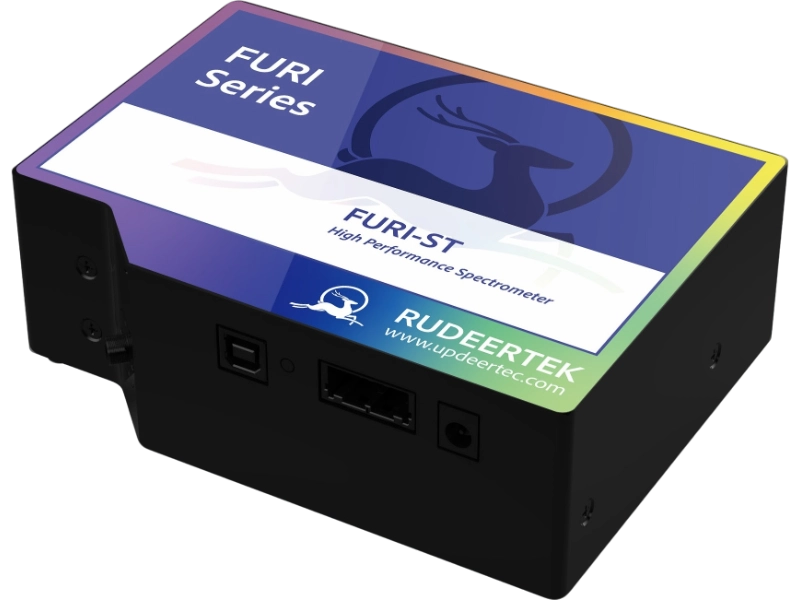
FURI Model Miniature Fiber Spectrometer: A Portable High-Sensitivity Solution
The FURI Model Miniature Fiber Spectrometer is an excellent choice for those seeking a compact spectrometer without sacrificing sensitivity or performance. It offers portable design, ideal for field research and mobile applications where traditional spectrometers are not feasible. Its versatility and compactness make it a preferred option for industries like environmental monitoring and agriculture.
5. Application-Specific Spectrometers: Choose Based on Industry Needs
Each industry has specific requirements for spectrometers. Whether in pharmaceuticals, materials science, or life sciences, there are spectrometers optimized for different uses.
- Pharmaceuticals: Essential for drug formulation and quality control.
- Materials Science: Ideal for analyzing metals, polymers, and semiconductors.
- Life Sciences: Used for protein analysis, DNA sequencing, and metabolic profiling.
6. Software and Automation Features: Enhance Data Analysis
Modern spectrometers come with advanced software for automating tasks like calibration, data collection, and analysis. This improves efficiency, minimizes human error, and allows researchers to extract deeper insights from complex data sets. Some systems offer features like multivariate analysis and peak deconvolution for advanced spectral interpretation.
7. Budget Considerations: Return on Investment (ROI) for High-Sensitivity Spectrometers
When choosing a high-sensitivity spectrometer, it’s essential to evaluate its cost-effectiveness. While high-performance models can be expensive, they offer long-term value with improved results, faster analysis, and reduced errors. Calculate the return on investment (ROI) based on the potential benefits in your specific application.
8. Portability and Ease of Use: Flexibility in Research and Fieldwork
When selecting a spectrometer, think about portability and ease of use. Portable spectrometers like the FURI Model Miniature Fiber Spectrometer allow for field-based analysis, offering flexibility for research teams working in varied environments. An intuitive user interface and easy calibration help ensure seamless operation.
9. Customer Support and Training: Maximize Instrument Efficiency
Reliable customer support and comprehensive training are essential when using complex instruments. A good support system ensures that you can get help when needed, while training resources enhance your ability to maximize the spectrometer’s capabilities.
निष्कर्ष
Choosing the best high-sensitivity spectrometer depends on multiple factors, including detection limits, spectral range, and resolution. For those seeking portability and high performance, the FURI Model Miniature Fiber Spectrometer is an excellent choice, offering a balance of accuracy and compactness. By considering your specific application needs and budget, you can select the ideal instrument that will deliver accurate, reliable results for years to come.