Near-Infrared Spectroscopy in Fertilizer Analysis: A Comprehensive Overview
Release time: 2026-01-07
विषयसूची
Near-infrared spectroscopy (NIRS) is a powerful analytical tool that has gained significant traction in various fields, including agriculture and fertilizer analysis. This technique involves the interaction of near-infrared light with molecular vibrations, allowing for the identification and quantification of different chemical constituents within a sample. NIRS is particularly valuable in fertilizer analysis due to its rapid, non-destructive nature and minimal sample preparation requirements.
The Importance of Fertilizer Analysis
Fertilizers are essential for modern agriculture, providing crops with vital nutrients that enhance growth and yield. However, the effectiveness of fertilizers depends on their composition and the accurate assessment of nutrient content. Traditional methods of fertilizer analysis, such as wet chemistry techniques, can be time-consuming, labor-intensive, and often require hazardous chemicals. This is where near-infrared spectroscopy shines, offering a more efficient alternative for analyzing fertilizer quality and composition.
How Near-Infrared Spectroscopy Works
NIRS operates by directing near-infrared light (typically in the wavelength range of 700 to 2500 nm) onto a sample. As the light interacts with the molecules in the sample, it is either absorbed or reflected, depending on the molecular structure and bonds present. The absorbed light is then detected and converted into a spectrum, which serves as a unique fingerprint of the sample’s chemical composition.
Key Components of NIRS
- प्रकाश स्रोत: NIRS employs a stable near-infrared light source, often a tungsten or quartz lamp, to illuminate the sample.
- Sample Holder: Samples can be analyzed in various forms, including powders, granules, or liquids, using appropriate holders.
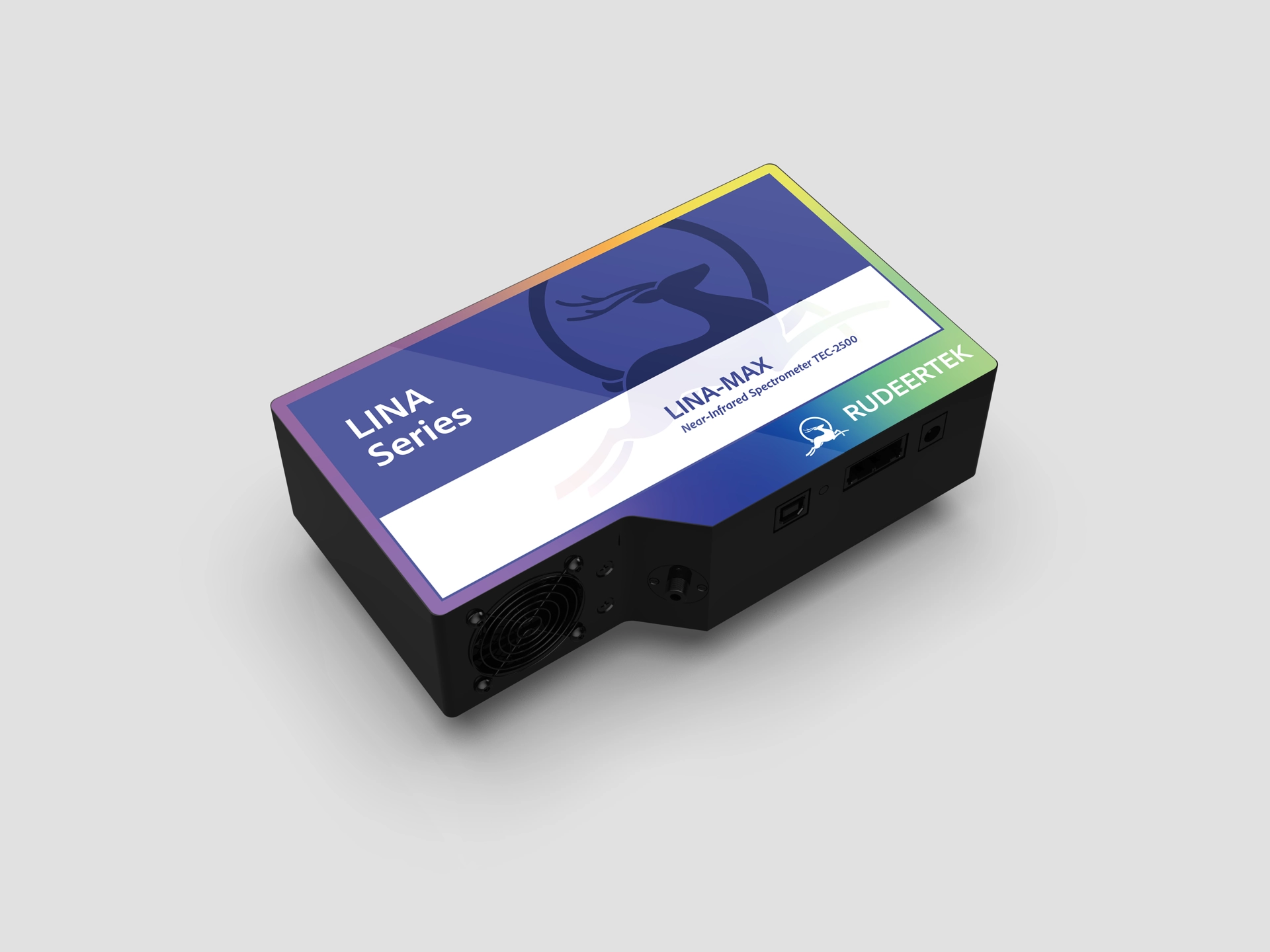
- Spectrometer: The spectrometer captures the reflected light and generates a spectrum, which is analyzed for specific absorbance peaks corresponding to different compounds.
- Data Analysis Software: Advanced mathematical algorithms, such as partial least squares regression (PLSR) or principal component analysis (PCA), are used to interpret the spectral data and quantify nutrient levels.
Advantages of Using NIRS for Fertilizer Analysis
The application of near-infrared spectroscopy in fertilizer analysis offers several advantages over traditional methods:
1. Rapid Analysis
NIRS can provide results in a matter of minutes, significantly reducing the time required for fertilizer testing. This rapid turnaround allows farmers and agronomists to make timely decisions regarding fertilizer applications, ultimately improving crop management.
2. Non-Destructive Testing
One of the key benefits of NIRS is its non-destructive nature. This means that samples can be analyzed without altering or consuming them, allowing for further testing or use after analysis.
3. Minimal Sample Preparation
Unlike traditional laboratory techniques that may require extensive sample processing, NIRS often requires little to no sample preparation. This simplifies the analysis process and reduces the risk of contamination.
4. Cost-Effectiveness
With the ability to analyze multiple samples quickly and accurately, NIRS can lower overall testing costs. The reduction in labor and materials associated with traditional methods makes NIRS an economically viable option for fertilizer analysis.
5. Versatility
NIRS can be applied to various types of fertilizers, including solid, liquid, organic, and synthetic formulations. This versatility makes it an invaluable tool for manufacturers and agricultural professionals alike.
Applications of NIRS in Fertilizer Analysis
Near-infrared spectroscopy is employed in various aspects of fertilizer analysis:
1. Nutrient Composition Assessment
NIRS can accurately determine the concentrations of key nutrients in fertilizers, such as nitrogen (N), phosphorus (P), potassium (K), calcium (Ca), and magnesium (Mg). This information is crucial for ensuring that fertilizers meet regulatory standards and provide the necessary nutrients for optimal crop growth.
2. Quality Control
Fertilizer manufacturers can utilize NIRS for quality control during production processes. By regularly analyzing batches of fertilizer, manufacturers can ensure consistency in nutrient content and adherence to specifications.
3. Soil Fertility Management
Agronomists can use NIRS to analyze soil amendments and organic fertilizers, assessing their nutrient profiles and determining their suitability for specific crops and soil types.
4. Research and Development
In research settings, NIRS facilitates the development of new fertilizer formulations by providing rapid feedback on nutrient content and enabling the optimization of blends for specific agricultural needs.
Challenges and Limitations of NIRS
While NIRS offers numerous advantages, there are some challenges and limitations to consider:
1. Calibration Requirements
Accurate NIRS analysis relies on proper calibration with reference standards. Developing robust calibration models can be time-consuming and requires a diverse dataset to ensure reliability across different fertilizer types.
2. Sample Homogeneity
For accurate results, samples must be homogenous. Variability in particle size or composition within a sample can lead to inconsistent spectral readings.
3. Spectral Overlap
Some compounds may exhibit similar spectral features, leading to potential interference in quantification. Careful selection of wavelengths and advanced data analysis techniques can help mitigate this issue.
निष्कर्ष
Near-infrared spectroscopy stands out as a revolutionary technique in fertilizer analysis, offering rapid, non-destructive, and cost-effective solutions for assessing nutrient content. As agricultural practices continue to evolve, the integration of NIRS into routine fertilizer analysis will play a crucial role in enhancing crop productivity and sustainability. With ongoing advancements in technology and data analysis methods, the future of NIRS in fertilizer analysis looks promising, paving the way for more efficient and effective agricultural practices.
Ready to take your fertilizer analysis to the next level? Visit us at rudeeroptics.com or reach out via our webform to learn how our NIR solutions can help optimize your production, reduce waste, and enhance sustainability.
अक्सर पूछे जाने वाले प्रश्न
How does NIRS benefit fertilizer analysis?
NIRS offers rapid results, non-destructive testing, minimal sample preparation, cost-effectiveness, and versatility across different types of fertilizers.
Can NIRS be used for organic fertilizers?
Yes, NIRS can analyze both organic and synthetic fertilizers, making it a versatile tool in agricultural practices.
What are the limitations of using NIRS in fertilizer analysis?
Limitations include calibration requirements, sample homogeneity, and potential spectral overlap between compounds.
Is NIRS suitable for soil amendments?
Absolutely! NIRS can effectively assess the nutrient profiles of soil amendments, aiding in soil fertility management.