How to Choose the Right Spectrometer for Your Application
Release time: 2025-11-11
Table of Contents
Selecting the right spectrometer is a crucial decision for ensuring accurate and efficient analysis in various scientific, industrial, and commercial applications. Whether you’re conducting research, performing quality control, or analyzing complex materials, choosing a spectrometer that suits your specific needs is essential. In this article, we will explore the key factors to consider when selecting a spectrometer and provide insights into how the RudeerTek team can assist with personalized recommendations and quotes to help you make the right choice.

Understanding the Importance of Spectrometer Features
Spectrometers are powerful analytical tools that measure light intensity across different wavelengths. The right spectrometer can provide precise data for a range of applications, including chemical analysis, material characterization, environmental monitoring, and medical diagnostics. When choosing a spectrometer, it’s important to evaluate key features such as sensitivity, speed, and resolution.
High Sensitivity Spectrometers
Sensitivity refers to the spectrometer’s ability to detect low-intensity signals, which is especially important for applications that require the detection of trace elements or low-concentration compounds. High sensitivity ensures accurate results even in challenging environments, where signals might be weak or background noise is high.
High Speed Spectrometers
Speed is essential in high-throughput environments where rapid data acquisition is critical. A fast spectrometer can streamline workflows, improve productivity, and enable quicker decision-making. For example, in pharmaceutical or food safety testing, fast analysis allows you to process large numbers of samples efficiently.
High Resolution Spectrometers
Resolution determines the spectrometer’s ability to distinguish between close-lying spectral lines. High-resolution spectrometers are essential when working with complex samples that have overlapping peaks or when you need detailed, precise data for advanced analytical applications. For instance, in chemical and biological analysis, high resolution ensures the accuracy of molecular identification.
Wavelength Range: Tailor Your Spectrometer to Your Application
The wavelength range of a spectrometer defines the spectrum of light it can analyze. This is a critical consideration because different applications require different wavelengths of light to accurately measure materials or compounds.
- UV-Vis Spectrometers: Typically cover the wavelength range of 200–800 nm, making them ideal for chemical, biological, and environmental analysis. These spectrometers are commonly used to analyze the absorbance of UV and visible light, making them suitable for a variety of research and quality control tasks.
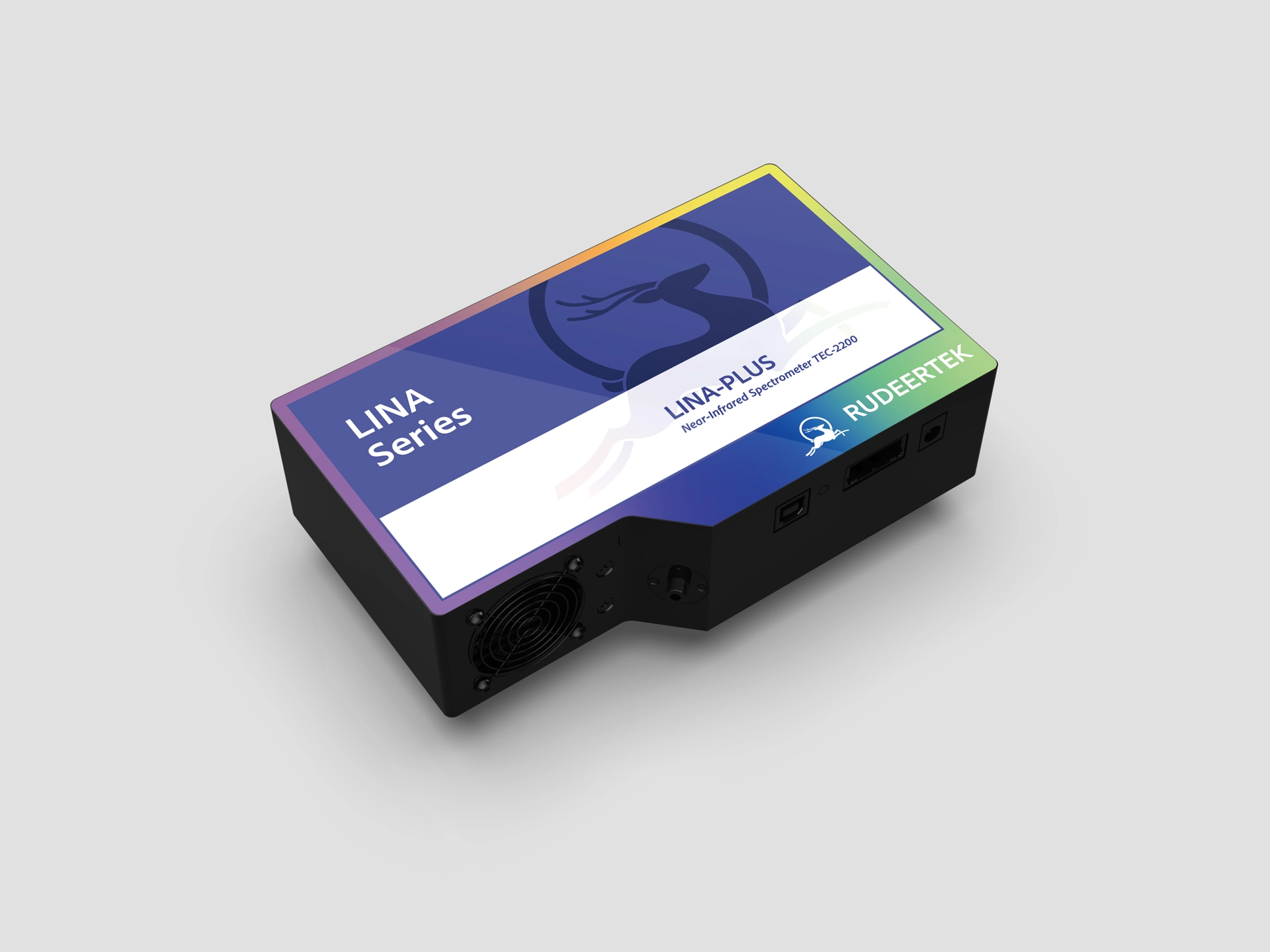
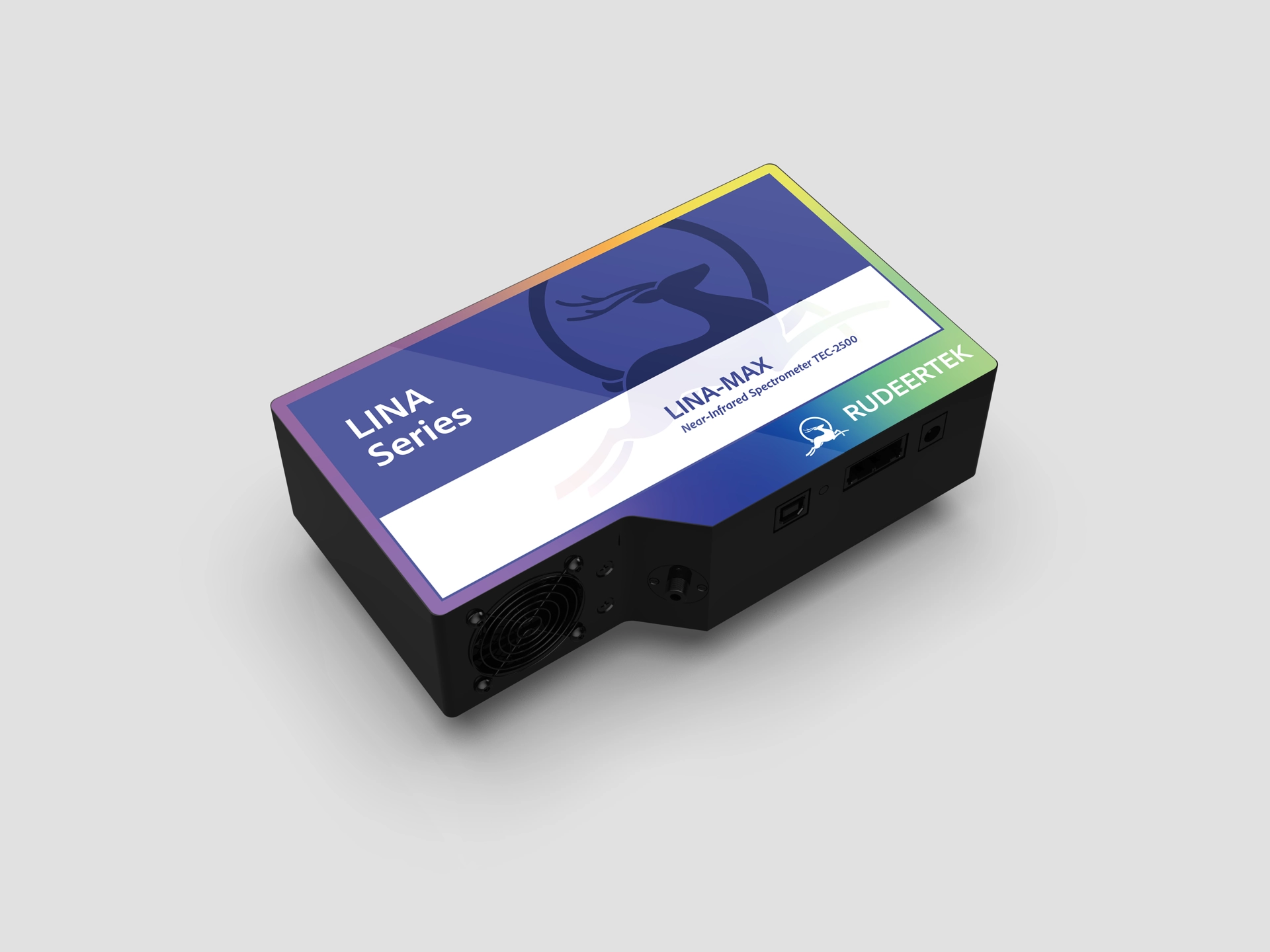
- NIR Spectrometers: Operating in the range of 800–2500 nm, near-infrared spectrometers are used for analyzing organic compounds, especially in agriculture, pharmaceuticals, and food testing. They are commonly used to analyze moisture content, protein levels, and other key quality parameters in food products and raw materials.
- Raman Spectrometers: These spectrometers utilize light scattering to identify molecular vibrations and rotations, making them ideal for studying molecular structures and compositions. Raman spectroscopy is often used in chemistry, material science, and forensic investigations.
Understanding your application’s specific wavelength needs is crucial for selecting the correct spectrometer. Depending on your needs, you may require a broad wavelength range that covers UV, visible, and near-infrared regions, or a narrow, specialized range for a particular application.
Measurement Techniques: Choosing the Right Method
Spectrometers come equipped with various measurement techniques that affect the type of analysis you can perform. It’s important to select a spectrometer that matches your measurement requirements. Here are some common techniques:
- Transmission and Absorbance: Common in UV-Vis spectrometers, this method measures how much light passes through or is absorbed by a sample. It’s useful for analyzing concentrations of compounds, reaction kinetics, and more.
- Reflectance: This technique measures the light reflected off a sample’s surface. It is particularly useful in near-infrared (NIR) spectrometry for analyzing surface properties, coatings, or non-homogeneous samples.
- Fluorescence: Fluorescence spectrometry involves measuring the light emitted by a sample after it absorbs light. This technique is widely used in biological and environmental analysis to identify and quantify specific compounds or molecules.
- Raman Spectroscopy: In Raman spectroscopy, scattered light from a sample is analyzed to reveal its molecular vibrations and chemical composition. This technique is highly effective for material science, forensics, and chemical analysis.
Balancing Size, Price, and Performance
When selecting a spectrometer, it’s essential to strike a balance between size, price, and performance. Here’s what you need to consider:
Size
The physical dimensions and portability of the spectrometer are crucial, especially if you plan to use it in fieldwork or in space-constrained environments. Portable or handheld spectrometers are designed for easy transport and quick analysis on the go.
Price
While it’s tempting to opt for the most affordable option, it’s important to weigh the spectrometer’s price against its capabilities. A lower-priced spectrometer may lack certain features that are necessary for your application, ultimately leading to suboptimal results. Consider the total cost of ownership, including initial purchase, maintenance, and potential upgrades.
Performance
Performance is the ultimate factor in ensuring the spectrometer meets your analytical requirements. Make sure the instrument provides the necessary sensitivity, resolution, and wavelength range to deliver reliable, accurate results for your specific tasks.
Types of Spectrometers and Their Applications
There are several different types of spectrometers, each with its own strengths and ideal use cases. Below are some of the most common types:
- UV-Vis Spectrometers: Used to measure the absorption of ultraviolet and visible light. Ideal for chemical, biological, and environmental applications.
- NIR Spectrometers: Analyze light in the near-infrared range, making them valuable in pharmaceutical, agricultural, and food industries.
- Raman Spectrometers: Excellent for studying molecular structures in material science, chemistry, and forensic analysis.
- Modular Spectrometers: These versatile instruments allow for customizable configurations with interchangeable components, enabling a broad range of applications across multiple industries.
How the RudeerTek Team Can Assist
Choosing the right spectrometer can be overwhelming, especially with the many options available. This is where the RudeerTek team can make all the difference. By offering personalized assistance, RudeerTek helps you evaluate your specific needs and recommend the best spectrometer for your application.
Requesting a quote from RudeerTek is straightforward. Simply provide them with the details of your application, and their experts will guide you through the selection process. Whether you’re looking for a high-resolution spectrometer for molecular analysis or a portable model for field testing, the RudeerTek team will ensure that your choice aligns perfectly with your requirements.
Find The Perfect Spectrometer For Your Needs
Choosing the right spectrometer involves considering multiple factors such as sensitivity, speed, resolution, wavelength range, and measurement techniques. By carefully evaluating these features and understanding your application needs, you can make an informed decision that will enhance your analytical capabilities.
For personalized guidance and to get a quote tailored to your specific requirements, reach out to the RudeerTek team today. With their expertise and industry knowledge, you’ll be equipped with the right spectrometer to ensure precision and accuracy in your analysis.
GET IN TOUCH